Drugs that quell brain inflammation reverse dementia
Submitted by rhkayen on Fri, 12/06/2019 - 15:14
In a publication appearing today in the journal Science Translational Medicine, University of California, Berkeley, and Ben-Gurion University scientists report that senile mice given one such drug had fewer signs of brain inflammation and were better able to learn new tasks, becoming almost as adept as mice half their age.

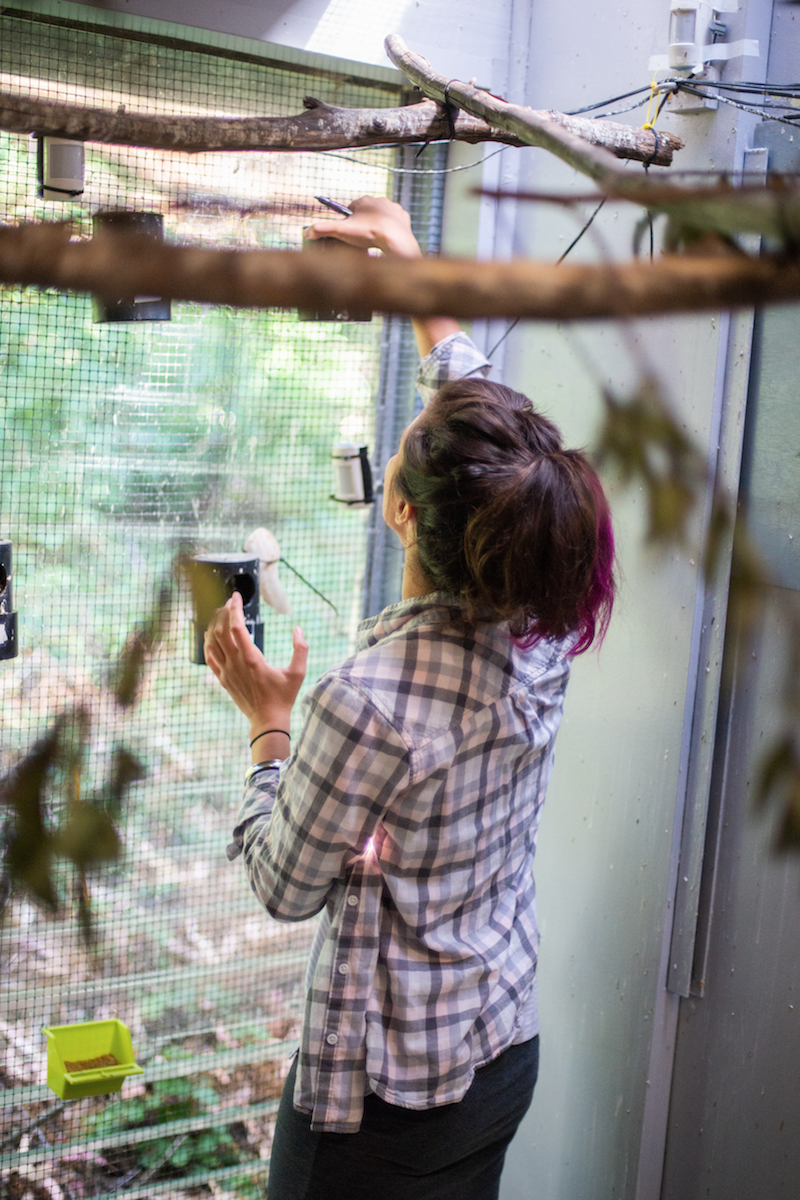 For the graduate students of Integrative Biology, the summer months bring a wealth of opportunities to embark on critical research projects and present their findings all over the world. Forty-four graduate students were able to carry out their field and laboratory research, thanks in part to three competitive awards sponsored by the Integrative Biology department: Dissertation Completion Award, Summer Grant, and Research Award. A broad range of projects are funded by these awards, from understanding UV radiation tolerance in desert mosses to studying how the shapes of turtle beaks relate to their diet and habitat over evolutionary time.

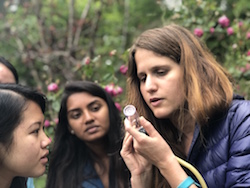 With recent advancements in portable, reliable, and low-cost scientific instruments, biological field research is flourishing. Now, a group of UC Berkeley undergraduates is newly equipped to investigate the natural world in real time with these new tools at their disposal.